
ESCALA HUMANA
PAST WINES
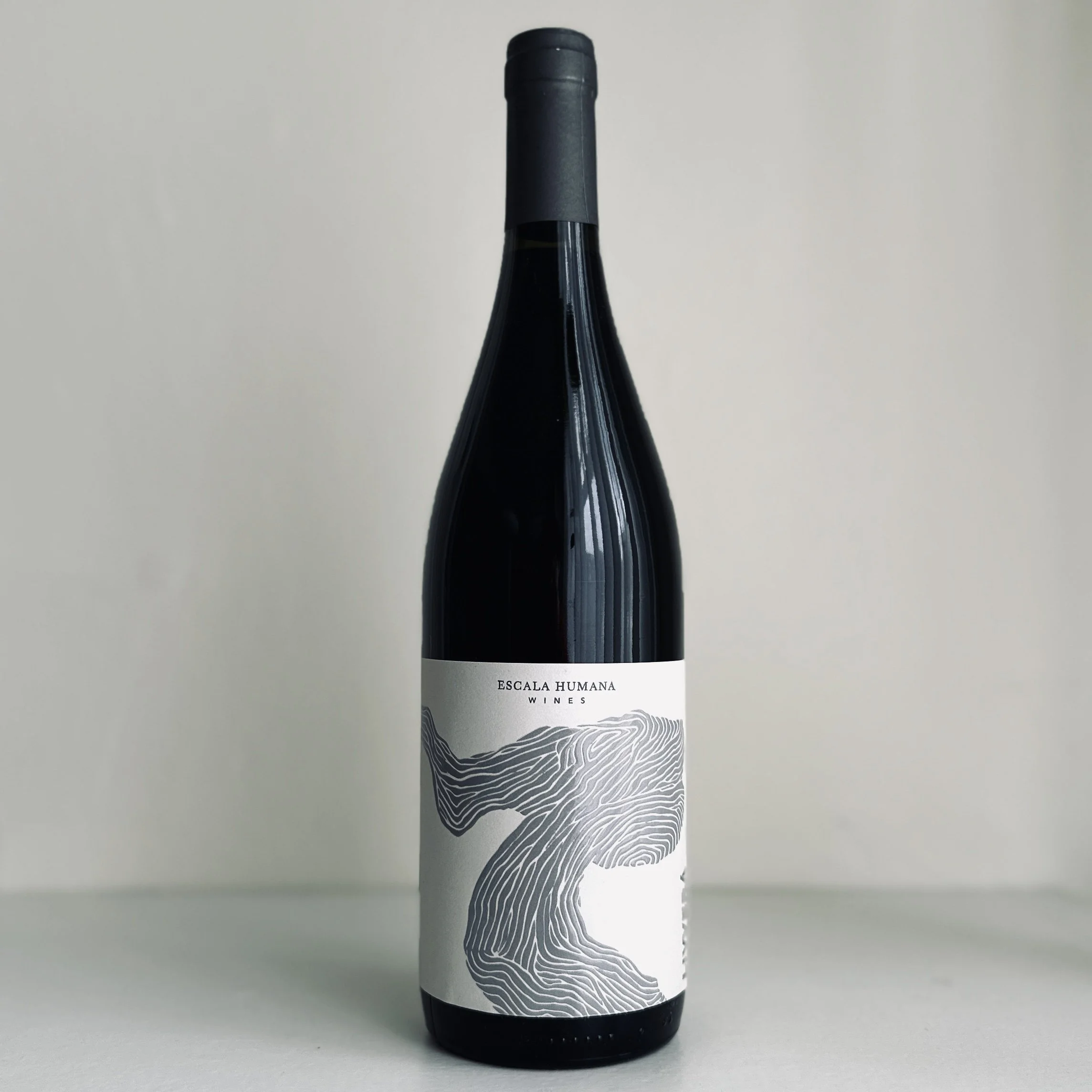
2023 MALBEC
This wine comes from three plots around their home region of Gualtallary at 1200m above sea level. Soils are lime-rich calcareous clay-loam with medium to large stones. The vines are some of their youngest, planted as recently as 20-25 years ago, partially to selection massale, but all on vertical trellis. The grapes are destemmed into concrete egg but some stems are added back in for structure and complexity. After a few weeks of gentle pump-overs, the wine is pressed off its skins into the same tank for a short élevage. 14% ABV
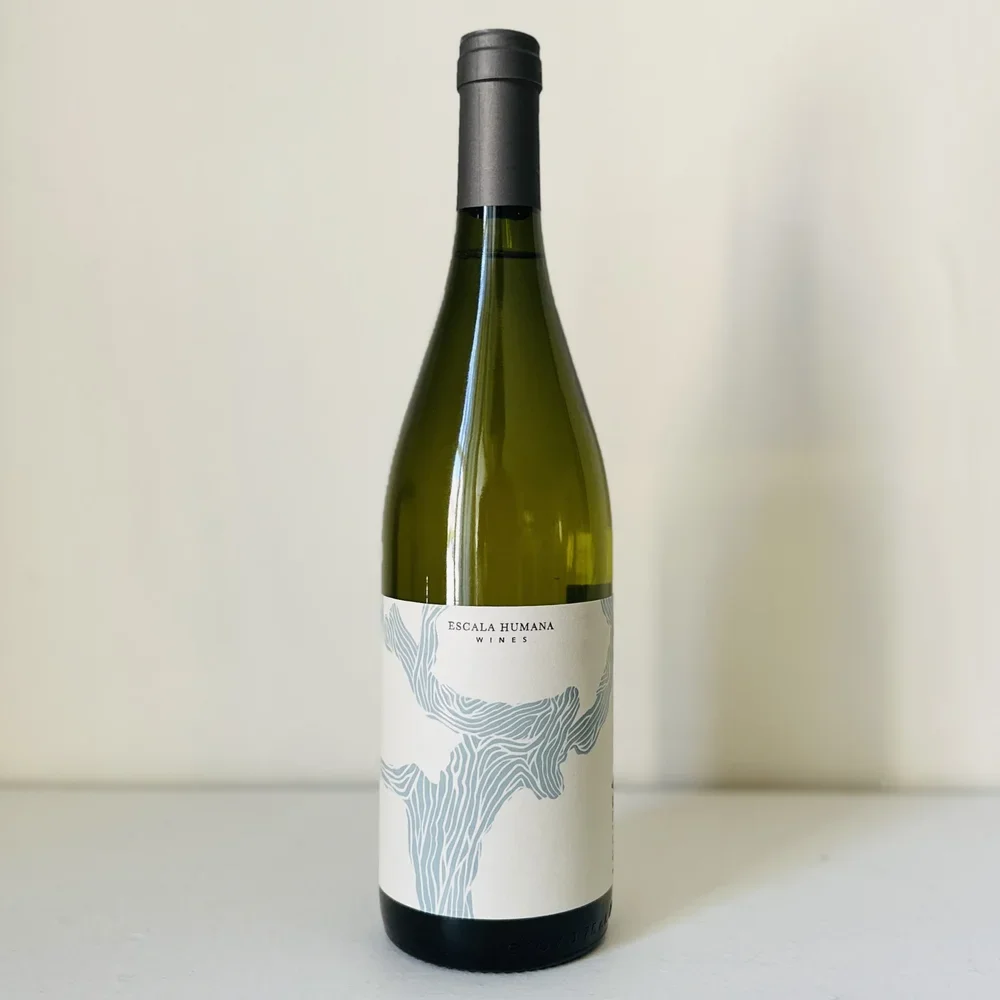
2024 CHENIN BLANC
This wine comes from Tunuyan in the Uco Valley. The 45-year-old vines were planted into sandy soils, although there are some clayey and rocky sections as well. They’re trained to pergolas. The grapes were destemmed and pressed into stainless steel for an overnight settling period. The juice is then racked into concrete for both fermentation and élevage. The wine is bottled unfined, unfiltered, and with minimal SO2.
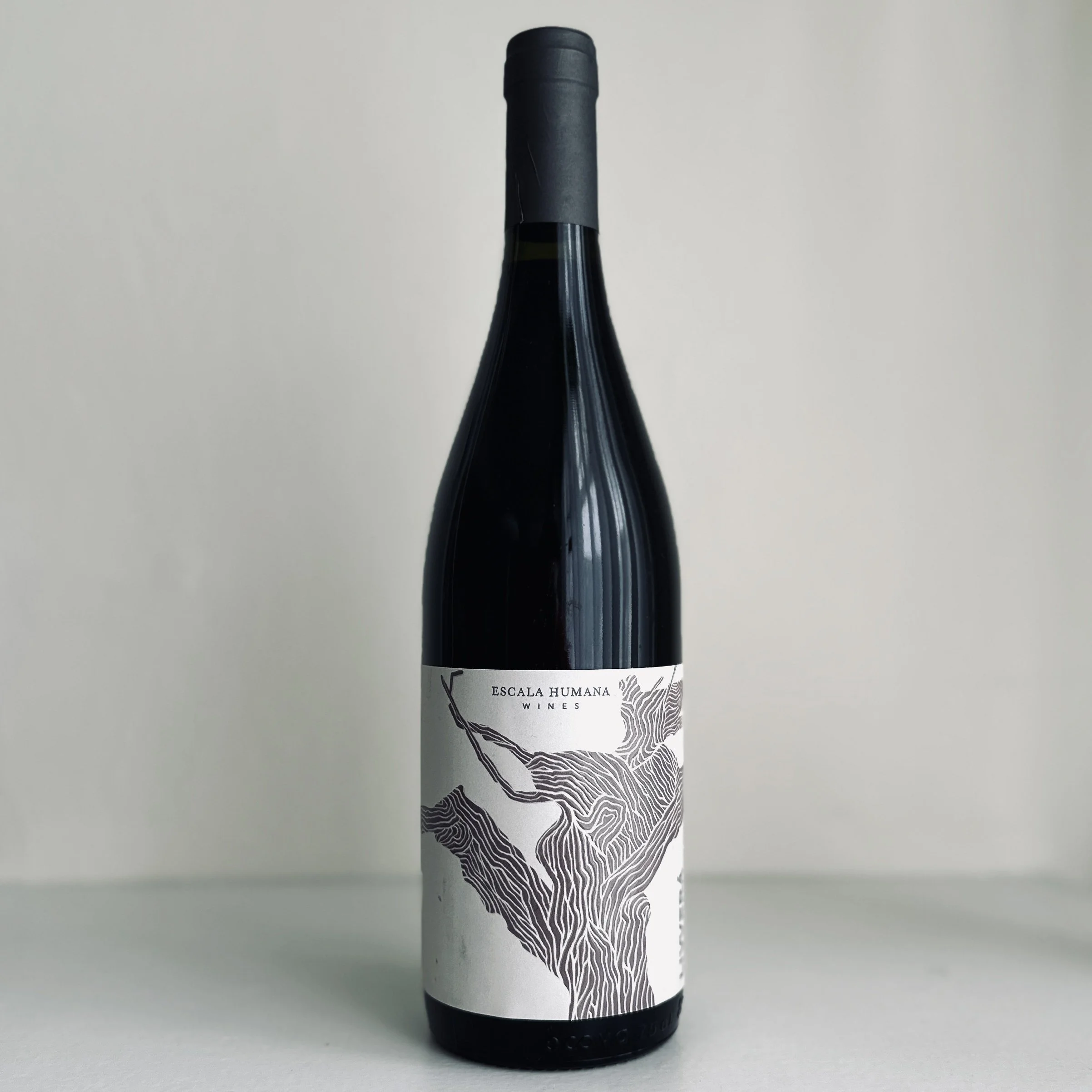
2023 CABERNET SAUVIGNON
These vines were planted in 1920 in El Peral, Tupungato, on clay-loam. The vines are the size of trees and are trained to overhead pergolas. After hand harvesting in late March, the grapes are destemmed into concrete egg for 25 days of maceration with gentle pump-overs. The wine is then pressed back into concrete for a modest élevage.
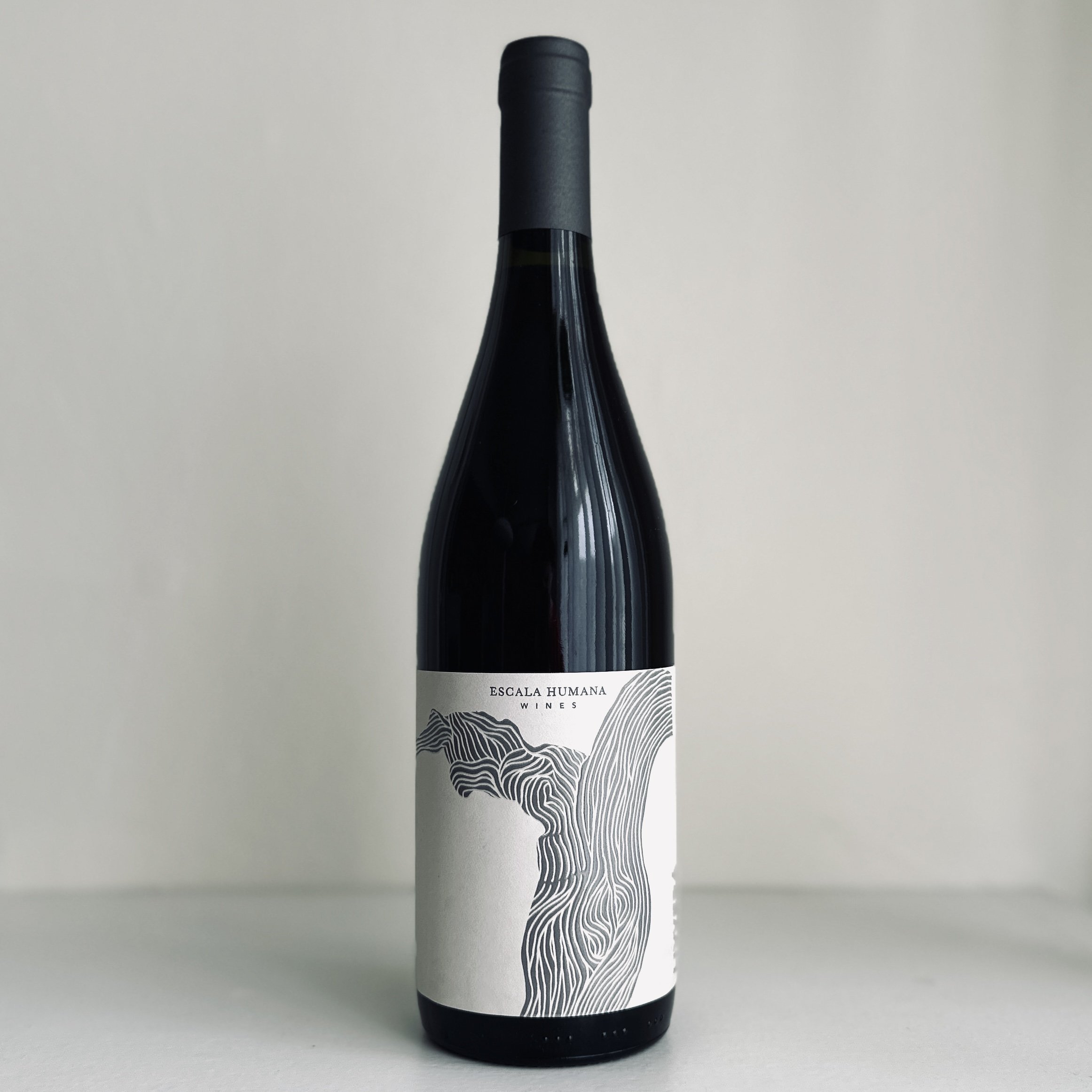
2023 BEQUIGNOL
This variety is indigenous to South-West France, but now only a hectare remains. Fortunately, Argentina is keeping this obscure cultivar alive. It does well in hot, dry conditions, making it an ideal candidate for the Uco Valley. The small berries tend to yield light-bodied wines with plenty of colour saturation. These vines, planted in 1954 in El Zampal on clay-loam, are trained on pergolas. This wine is fermented 30% whole-cluster in concrete egg for 30 to 45 days before being pressed off. Élevage is done in the same vessel. 13.5% ABV, 4.9 g/L TA, 0.46 g/L VA
2023 SANGIOVESE
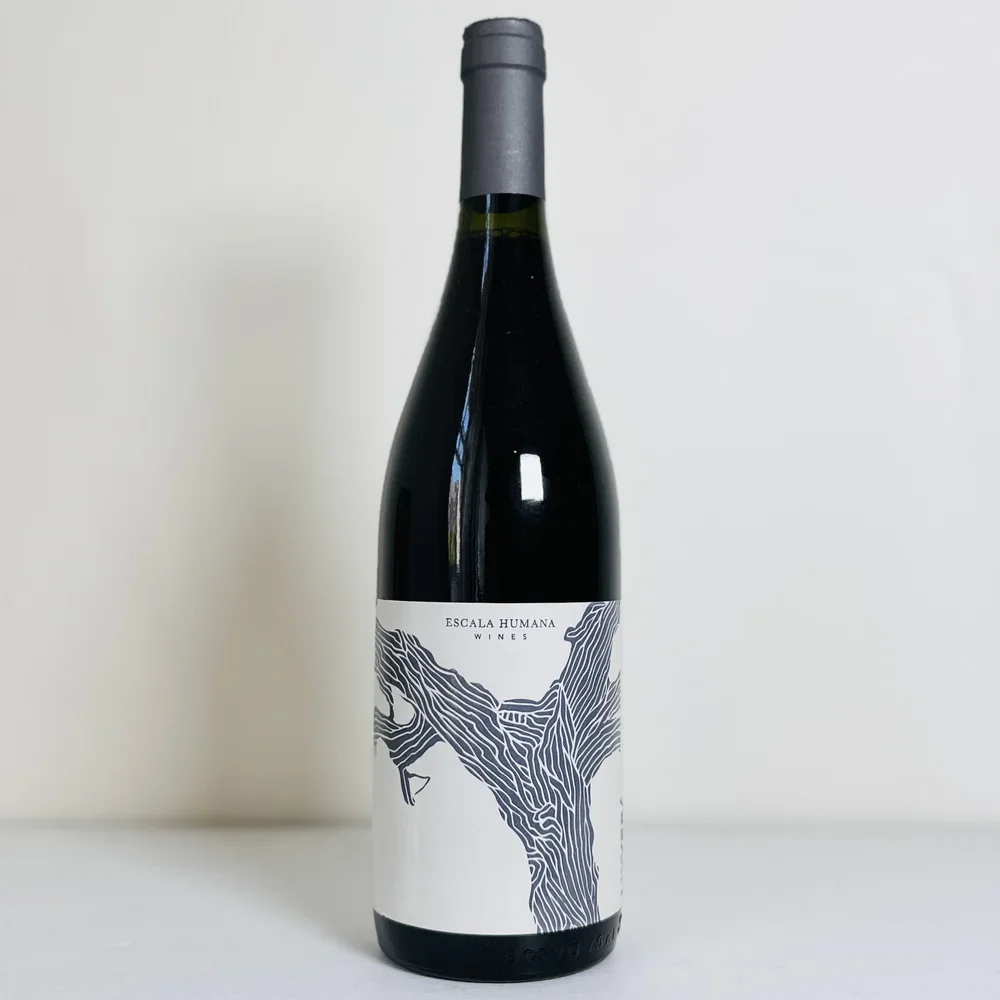
This vineyard sits at 1450m above sea level in San José, a sub-region of the Uco Valley’s Tupungato. The vines were planted in 1952 on clay loam and are trained to pergolas. The vineyard is surrounded by old poplars are pines, planted as a wind shield for the exposed site. It is some of the cleanest fruit I’ve ever seen. The grapes are destemmed and fermented on skins in concrete tank for four weeks before being pressed off. 12.9% ABV, 5.49 g/l TA, 0.36 g/l VA

2023 BONARDA
Douce Noir, a rare variety from Savoie in France, is confusingly known as Bonarda in Argentina. It is a late-ripening variety that tends to result in wines with plush tannins and balanced alcohol levels, even in warm climates. These 45-year-old vines are planted in sandy soils in La Arboleda, Tupungato at 1100m above sea level. They’re trained to overhead pergolas. Half the grapes are destemmed before fermentation and élevage in concrete egg. 13.2% ABV, 5.94 g/L TA, 0.63 g/L VA

2021 CREDO MALBEC EL PERAL
This wine comes from the El Peral District of Tupungato. The vineyard is between 1120m and 1200m above sea level, making it much colder than the valley below. Soils here are mostly loam but with smatterings of granitic and calcareous stones from the mountains above. The grapes were destemmed into concrete egg but 30% of the stems were added back in. After forty days on skins with gentle pigeage the wine is pressed off into barrel for a two year élevage. 130 cases were produced this year. 14.7% ABV, 5.53 g/L TA, 0.57 g/L VA
2021 CREDO CHARDONNAY ALTAMIRA
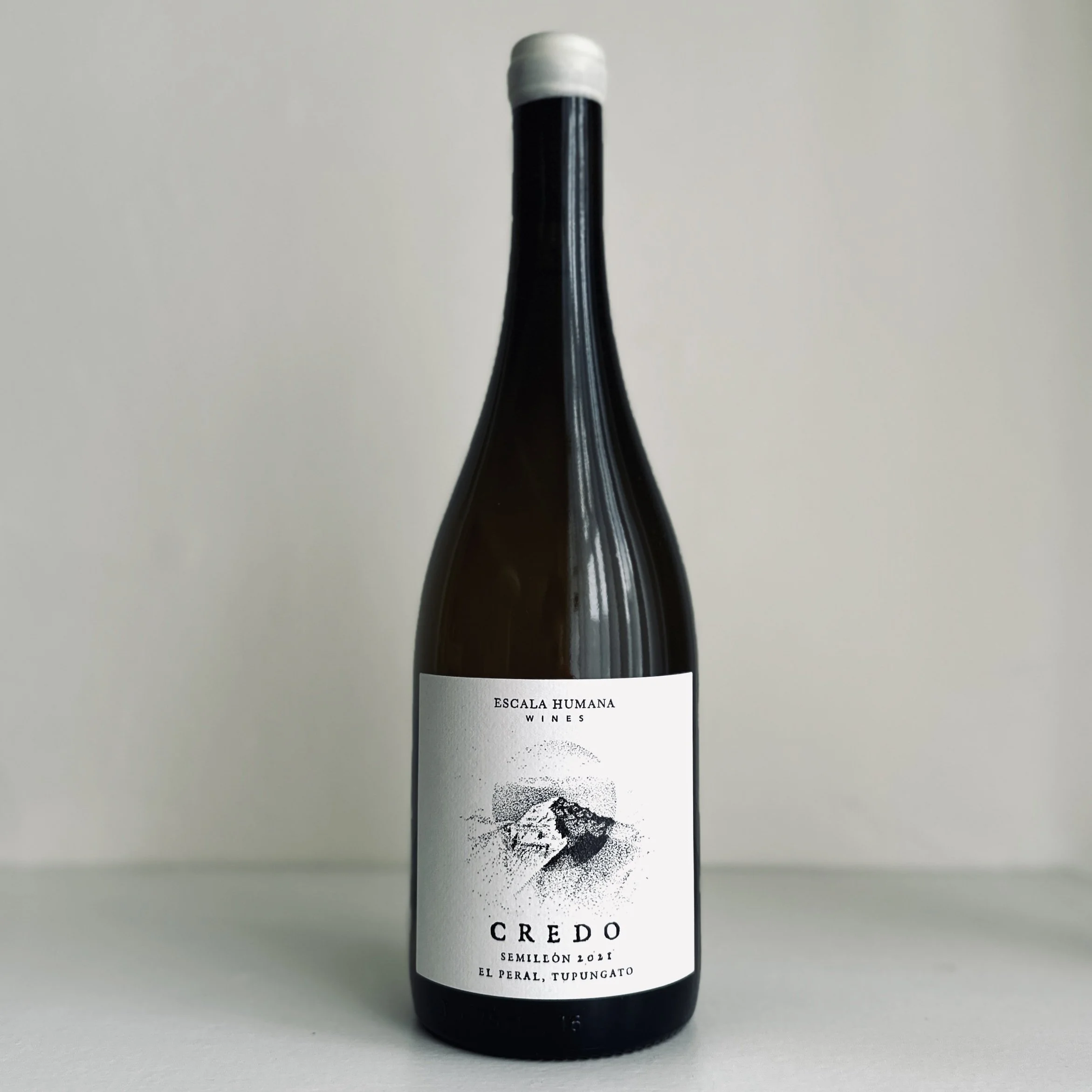
This vineyard is planted in San Carlos at the base of a 5000m high mountain, which is perpetually capped with snow. The plot itself is at 1050 to 1150m above sea level and is uncommonly cold. The soils are broken into three layers: a topsoil of silt and loess, a mid-layer of granite and calcareous material, and a subsoil of alluvial rocks and limestone. This vintage was incredibly cold and cloudy, which resulted in a super slow ripening period. The grapes were direct pressed into second and third fill French oak barrels for fermentation and élevage. After two years, the wine is racked and bottled. 138 cases were produced this year. 12.8% ABV, 5.69 g/L TA, 0.67 g/L VA, 8 ppm free SO2
2021 CREDO SEMILLON EL PERAL
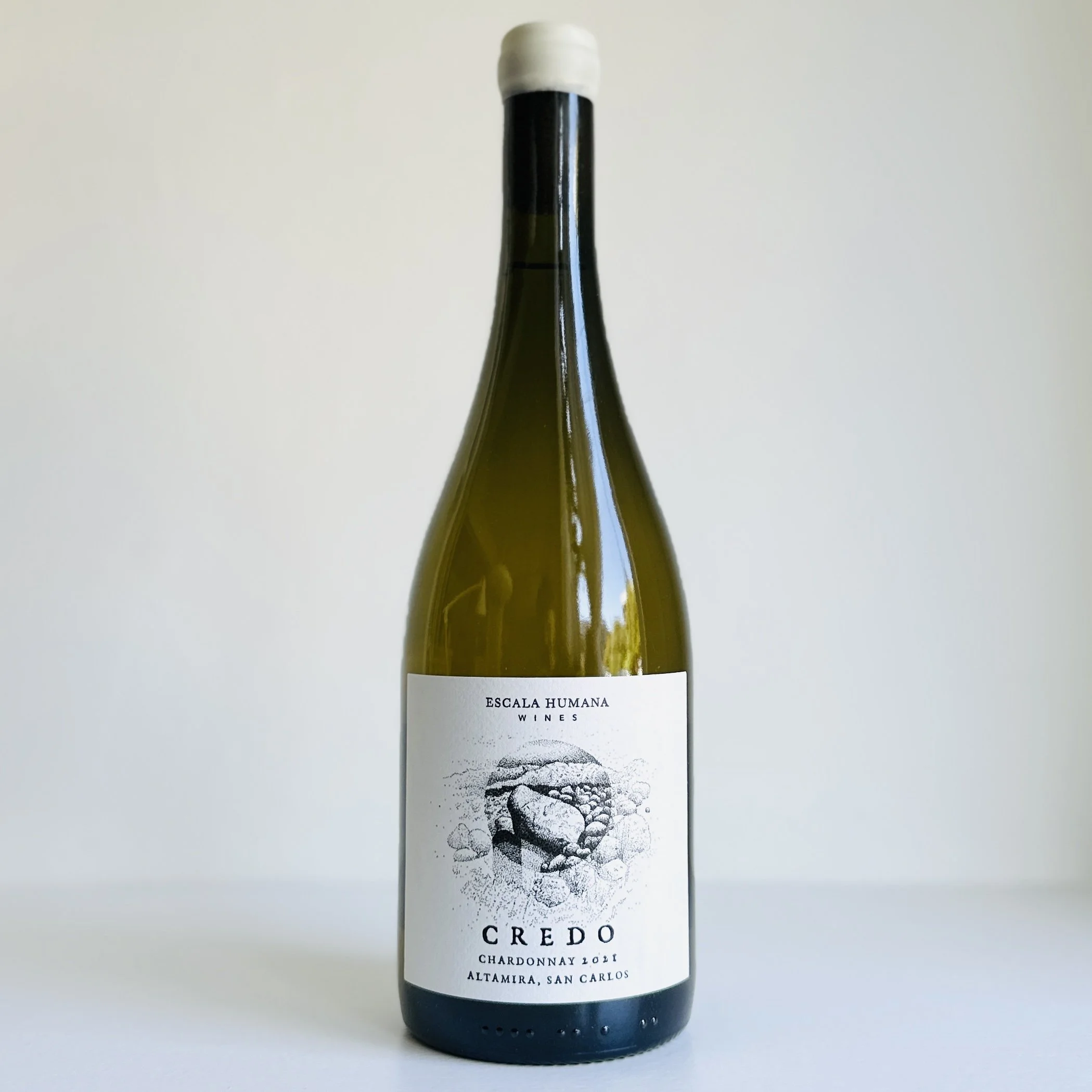
This wine comes from the El Peral District of Tupungato. The vineyard is between 1120m and 1200m above sea level, making it much colder than the valley below. Soils here are mostly loam but with smatterings of granitic and calcareous stones from the mountains above. The grapes are destemmed into concrete for primary fermentation. After a week, the juice is pressed off to finish fermentation in barrel. After a two year élevage, the wine is racked and bottled. 138 cases were produced. 12.5% ABV, 5.72 g/L TA, 0.59 g/L VA, 9 ppm free SO2

2022 MALBEC
Their twenty-year-old Malbec vines are planted on alluvial calcareous soils at 1200m above sea level. The grapes are destemmed into concrete egg for fermentation but 30% are added back in for complexity. After maceration, the wine is pressed back into concrete for élevage. 14% ABV, 5.24 g/l TA, 0.47 g/l VA

2023 MALVASIA
This wine comes from the El Zampal region of the Uco Valley. The site, Pelegrina, features 19 rows of Malvasia planted in 1927. At nearly 1100m above sea level, the vines are planted in clay loam and sand. The grapes are destemmed before fermenting and macerating on skins for 90 to 120 days in stainless steel. It sees an additional six-month élevage in neutral barrel and concrete before being racked and bottled unfiltered. 11.5% ABV, 5.1 g/l TA, 0.38 g/l VA
2021 CABERNET SAUVIGNON
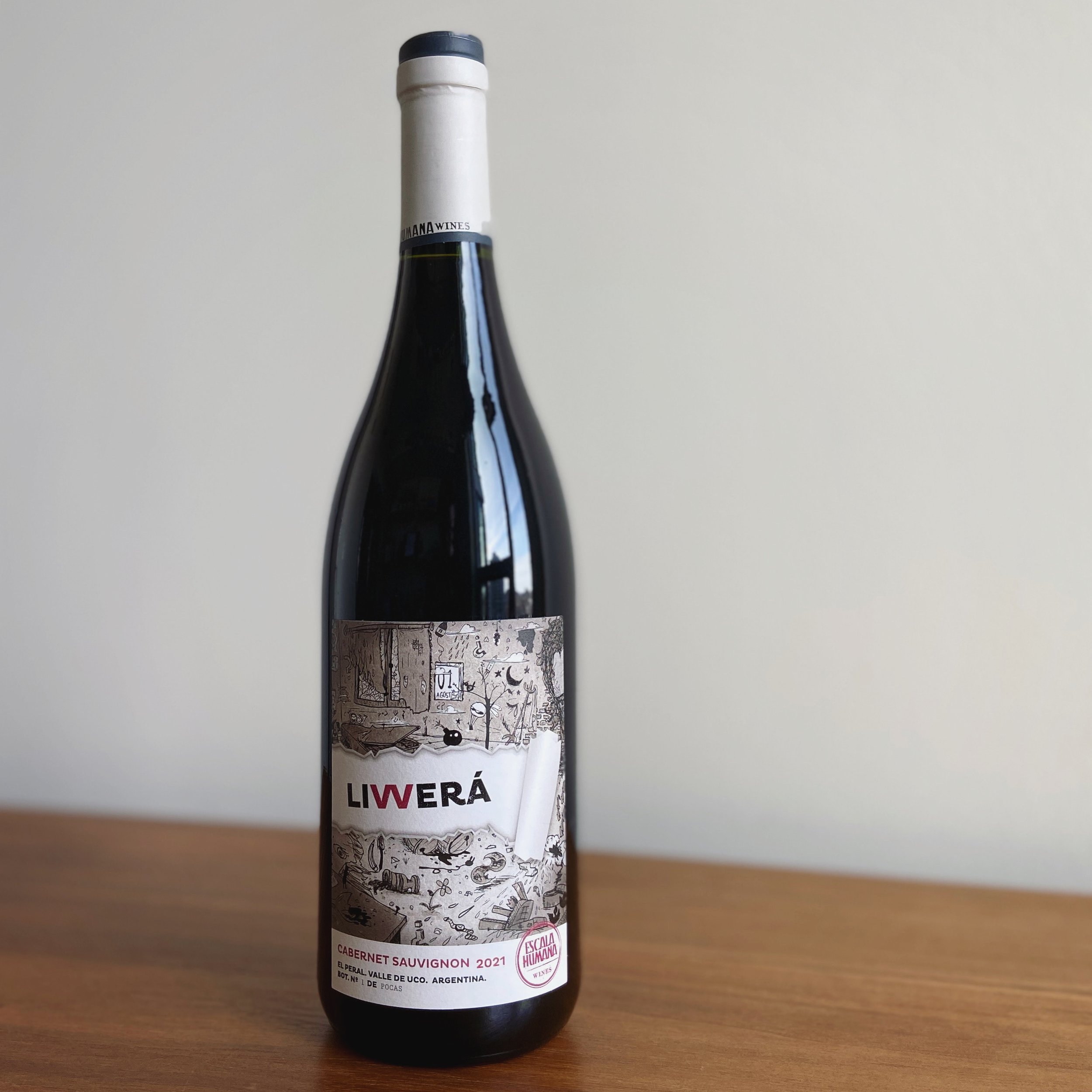
These century-old Cabernet Sauvignon vines are planted on clay loam. The grapes are both hand-harvested and hand destemmed. Fermentation takes place in concrete egg for 24 days. The wine is then pressed back into concrete for a modest élevage. 13% ABV, 5.11 g/l TA, 3.6 pH, 0.43 g/l VA, 35ppm SO2

2021 MALBEC
Their twenty-year-old Malbec vines are planted on alluvial calcareous soils. Roughly two-thirds of the grapes are destemmed before they’re loaded into concrete egg for fermentation. The wine is then pressed off into neutral barrel for élevage. 14% ABV, 5.52 g/l TA, 0.65 g/l VA, 45ppm SO2

2021 BEQUIGNOL
This variety is indigenous to South-West France, but now only a hectare remains. Fortunately, Argentina is keeping this obscure cultivar alive. It does well in hot, dry conditions, making it an ideal candidate for the Uco Valley. The small berries tend to yield light-bodied wines with plenty of colour saturation. These vines, planted in 1954 in El Zampal, are trained on pergolas. The grapes were fermented whole cluster for 45 days before an eight-month élevage in neutral barrel. Fewer than a thousand cases were produced. 12.2% ABV, 5.04 g/l TA, 3.5 pH, 0.38 g/l VA, 52ppm SO2

2021 SANGIOVESE
At just over 1400m above sea level, this vineyard is in San José, a sub-region of the Uco Valley’s Tupungato. The 70+-year-old vines are planted on clay loam and are trained in pergolas. The grapes are destemmed and fermented on skins for four weeks before being pressed off. After an eight-month élevage in concrete egg the wine is bottled unfiltered. Only 350 cases were produced. 12% ABV, 5.67 g/l TA, 3.5 pH 0.37 g/l VA, 21ppm SO2

2022 BONARDA
Douce Noir, a rare variety from Savoie in France, is confusingly known as Bonarda in Argentina. It is a late-ripening variety that tends to result in wines with plush tannins and balanced alcohol levels, even in warm climates. These 30+-year-old vines are planted in sandy soils. Half the grapes are destemmed before fermentation in concrete egg. The wine is then pressed off for élevage in neutral barrel. 13.7% ABV, 5.77 g/l TA.

2021 MALVASIA
This wine comes from the El Zampal region of the Uco Valley. The site, Pelegrina, has two acres of Malvasia planted in 1927. At nearly 1100m above sea level, the vines are planted in clay loam and sand. The grapes are destemmed before fermenting and macerating on skins for three months in stainless steel. It sees an additional six-month élevage in neutral barrel before being racked and bottled unfiltered. Fewer than a thousand cases were produced. 10.4% ABV, 5.12 g/l TA, 0.35 g/l VA, 85ppm SO2

2019 CREDO MALBEC
This wine comes from the El Peral District of Tupungato. The vineyard is between 1100m and 1200m above sea level, making it much colder than the valley below. Soils here are mostly loam but with granitic and calcareous stones from the mountains above. The grapes were destemmed into concrete egg where fermentation took 35 days. It was then pressed off into neutral puncheons for a two year élevage. Fewer than 100 cases were produced. 14.6% ABV, 5.66 g/l TA, 0.59 g/l VA, 54ppm SO2.

2019 CREDO SEMILLON
This wine comes from the El Peral District of Tupungato. The vineyard is between 1100m and 1200m above sea level, making it much colder than the valley below. Soils here are mostly loam but with granitic and calcareous stones from the mountains above. Just over half the grapes were direct pressed into tank while the remainder was destemmed and macerated on skins for a week. After pressing, the wine finishes fermentation and élevage in barrel for two years before bottling. Fewer than 100 cases were produced.